Energy systems are undergoing significant changes as renewable energy becomes more widely adopted across different applications. At WidenEdge, we focus on developing power conversion and energy management technologies that support efficient and reliable electricity systems. Through advanced microgrid solutions, we help address challenges related to renewable energy utilization, power balancing, and sustainable energy operation.
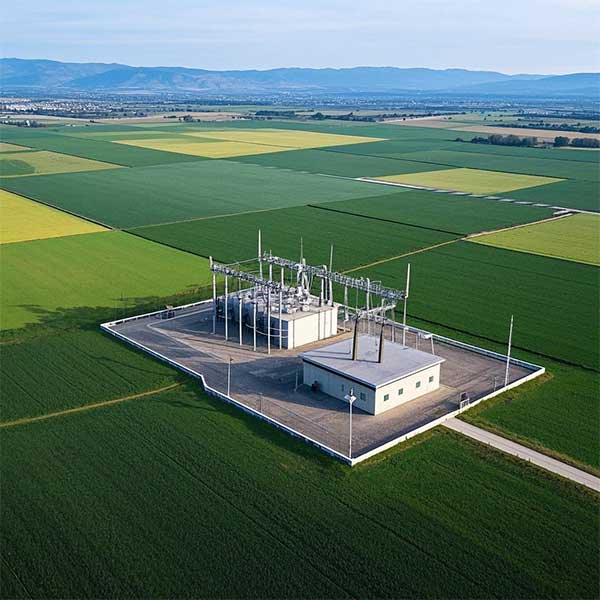
Energy storage for sustainable microgrids can help reduce carbon emissions by improving renewable energy utilization and reducing the need for carbon-intensive backup generation in suitable applications. However, their output is affected by natural conditions, which can create differences between electricity production and actual demand.
We recognize that stable energy management requires effective coordination between generation and consumption. Without proper control, renewable electricity may not always be used efficiently, creating challenges for energy planning.
By applying energy storage for sustainable microgrid systems, we can improve the flexibility of renewable energy applications. Storage allows electricity generated at suitable times to be used when energy demand changes.
How Storage Technology Changes Energy Utilization
Energy storage provides a practical method for managing the timing difference between electricity generation and consumption. Renewable sources may produce more electricity than needed at certain moments, while demand may increase later.
We integrate storage technologies into microgrid solutions to create better coordination between different energy resources. Stored electricity can be released when renewable generation decreases or when local demand requires additional support.
This process helps improve renewable energy usage efficiency. Instead of relying only on immediate power generation, energy systems gain greater flexibility through controlled energy storage and distribution.
Many energy systems require backup generation to maintain electricity availability during periods of insufficient renewable output. In some cases, conventional backup resources may increase carbon emissions during operation.
We use energy management strategies to improve the relationship between renewable generation and energy storage. With proper system design, storage can provide additional support when renewable output changes.
Energy storage does not replace every traditional power source, but it can reduce unnecessary operation of backup resources in suitable applications. This contributes to more efficient energy management and lower operational emissions.
Electricity demand varies according to operational schedules, weather conditions, and user requirements. Managing these changes effectively is essential for improving energy efficiency.
Our microgrid solutions combine power conversion, storage, and control technologies to coordinate electricity flow. Intelligent management systems can monitor operating conditions and adjust energy usage according to actual requirements.
Through coordinated energy scheduling, storage systems help reduce energy waste. This allows renewable electricity to play a greater role in meeting electricity demand while maintaining reliable operation.
A sustainable microgrid requires more than renewable generation equipment. It also needs technologies that can manage energy availability, power quality, and system interaction.
We develop solutions that connect generation resources, storage systems, and energy management platforms. Energy storage in sustainable microgrid applications provides the flexibility needed for better renewable integration.
By balancing energy supply and demand, storage supports more stable operation. It helps create energy systems that can adapt to changing conditions while improving renewable energy utilization.
Distributed energy resources are becoming increasingly common in commercial, industrial, and remote applications. These systems require effective coordination to achieve reliable and efficient operation.
We focus on technologies that improve communication between different energy components. Storage systems can work together with local generation and electrical loads to optimize power usage.
With better energy coordination, users can reduce unnecessary energy consumption and improve system efficiency. This approach supports more sustainable electricity management without relying only on expanding traditional infrastructure.
The development of low-carbon energy systems requires solutions that combine reliability with renewable integration. Energy storage is becoming an important component because it connects variable generation with practical electricity demand.
We continue exploring advanced power conversion and control technologies to support future energy applications. Through flexible system design, we help customers manage changing energy requirements.
Energy storage for sustainable microgrid systems represents an important direction for improving renewable energy utilization. Its value depends on suitable engineering design, reliable operation, and effective integration with other energy assets.
Carbon reduction in electricity systems requires improvements across generation, distribution, and energy management. Storage technology provides a way to better utilize renewable resources and improve energy flexibility.
At WidenEdge, we provide power conversion and energy storage technologies designed for modern energy applications. Through effective integration of renewable generation, energy storage, and power conversion technologies, microgrid systems can improve renewable utilization and support lower-carbon energy management. We continue improving our technologies to meet the evolving requirements of sustainable power networks.
Return