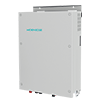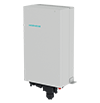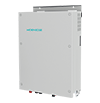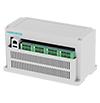

On-grid and off-grid energy storage systems serve different power management needs based on their connection with the utility grid. Understanding these differences helps users select suitable configurations for specific applications. At WidenEdge, we focus on understanding how different energy storage configurations support reliable energy management. By comparing on-grid and off-grid energy storage systems, we can better explain their operating principles, application scenarios, and how they contribute to practical microgrid development.
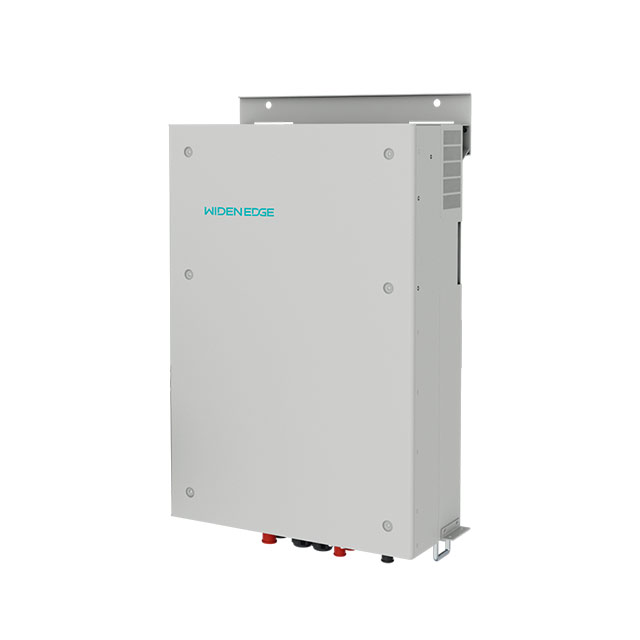
On-grid and off-grid energy storage systems represent two different approaches designed to address specific power management needs. The primary difference lies in their relationship with the utility grid and how stored energy is controlled during operation.
On-grid energy storage systems are connected to the public electricity network. They can store excess electricity and release power when needed, helping improve energy balance, reduce peak demand pressure, and support renewable energy utilization.
Off-grid systems operate independently from the utility grid. They rely on energy storage combined with generation sources such as solar or other distributed resources to provide electricity in locations where grid access is limited or unavailable.
Through our experience in energy management technologies, we recognize that both configurations are important parts of modern microgrid solutions. The suitable choice depends on factors such as energy requirements, infrastructure conditions, and operational objectives.
On-grid energy storage systems are designed to work together with existing power networks. They typically charge when electricity is available and discharge when additional power support is required.
We understand that these systems can improve grid flexibility by managing fluctuations caused by renewable energy generation. For example, when solar or wind power production changes throughout the day, energy storage can help balance supply and demand.
The role of power conversion systems is also important because they manage the exchange of electricity between storage batteries and the grid. Reliable control strategies allow energy storage systems to respond effectively to changing grid conditions.
For many commercial and industrial applications, on-grid configurations provide a practical approach for improving energy efficiency. They allow users to optimize electricity usage while maintaining a connection with existing power infrastructure.
Off-grid energy storage systems are designed for independent energy operation without relying on a centralized electricity network. They are commonly applied in remote areas, isolated facilities, and locations requiring independent power management.
We consider off-grid energy storage a flexible option because it allows electricity generation and consumption to be managed locally. Energy storage can collect surplus electricity from renewable sources and provide power during periods of low generation.
These systems require careful planning because energy availability depends on generation capacity, storage capability, and consumption patterns. Proper system design helps maintain stable operation and improves energy reliability.
When developing independent power environments, we analyze how storage technologies, energy sources, and control systems work together. This approach helps create practical solutions based on actual operating conditions rather than relying on general assumptions.
We believe the best energy storage system depends on the specific application environment. On-grid systems are often suitable for areas with reliable grid access where users want additional flexibility, renewable integration, or improved power management.
Off-grid systems are more suitable for locations where grid connection is difficult, expensive, or unavailable. These applications may include remote communities, isolated industrial sites, and independent energy facilities.
Both systems can support different types of microgrid solutions by providing energy control and storage functions. The selection process requires evaluation of electricity demand, available energy resources, and long-term operational requirements.
Rather than viewing one system as universally better, we focus on matching the technology with the actual needs of each project. A suitable configuration can improve energy utilization while supporting stable power supply.
Grid-forming technology is becoming increasingly relevant as renewable energy sources continue to expand. Unlike traditional grid-following systems, grid-forming systems can establish voltage and frequency references, supporting stable operation in applications such as weak grids, islanded systems, and off-grid environments.
We recognize that advanced control technologies are important for improving the performance of energy storage systems. They allow storage assets to provide additional grid support functions and enhance system adaptability.
For both on-grid and off-grid applications, effective control strategies influence system stability, response capability, and overall energy management performance.
At WidenEdge, we continue to follow developments in energy storage technology and focus on solutions that align with changing power system requirements.
Choosing between on-grid and off-grid energy storage requires a detailed understanding of project conditions. We evaluate factors including electricity demand, energy sources, operating environment, and connection requirements.
On-grid systems can provide additional flexibility for existing electrical networks, while off-grid configurations can support independent energy operation. Each approach has different advantages depending on the intended purpose.
The growth of renewable energy creates new opportunities for both types of systems. As energy structures become more distributed, storage technologies will continue to play an important role in managing electricity production and consumption.
We believe that practical engineering decisions should be based on accurate requirements and reliable technology evaluation. This helps ensure that energy storage systems deliver suitable performance throughout their operating life.
We are WidenEdge, a company focused on providing advanced energy storage and power conversion solutions. We work to support customers in developing reliable energy systems by combining technical understanding with application-focused approaches.
Our goal is to help organizations better understand the differences between on-grid and off-grid configurations and select suitable technologies for their projects. Through continuous improvement and attention to system requirements, we contribute to the development of efficient and adaptable energy solutions.
As energy systems continue to evolve, we remain committed to supporting modern power applications with practical solutions. By focusing on quality, reliability, and technical innovation, WidenEdge aims to become a trusted partner in the development of future energy infrastructure.
Return