
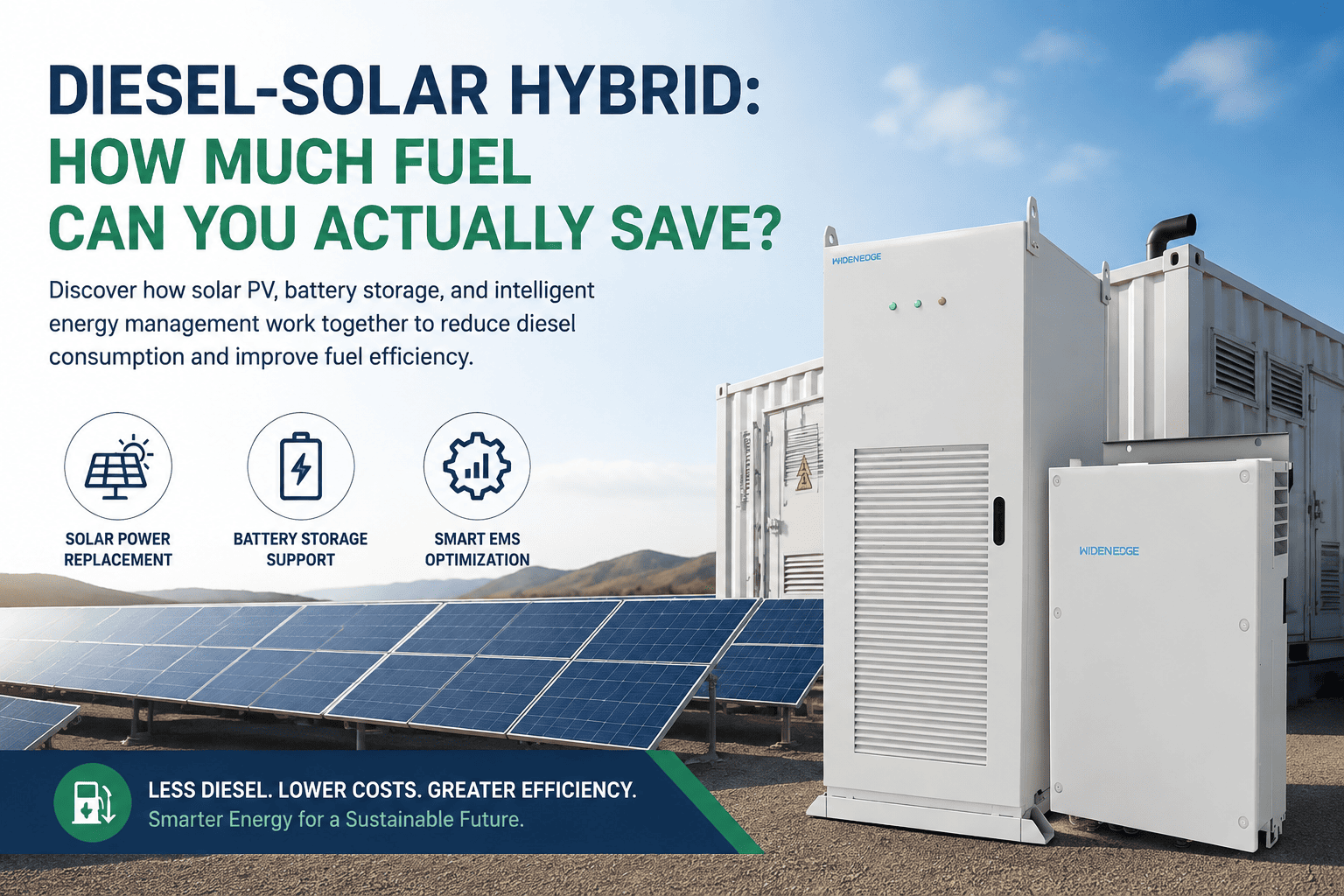
Diesel generators often consume more fuel than expected because real-world operating conditions are different from the conditions used during system design. Load characteristics, generator sizing, and operating patterns can all affect diesel fuel efficiency.
Diesel generators operate most efficiently within a suitable load range. However, many off-grid sites experience periods when electricity demand is lower than the generator capacity, causing the generator to operate at partial load.
Even when producing less electricity, the engine still consumes fuel to maintain operation. As a result, fuel consumption per kWh increases, making low-load operation less efficient.
Generator sizing directly affects long-term operating efficiency. Many sites select larger generators to ensure reliable power supply during peak demand periods.
However, average power demand is often much lower than the generator’s rated capacity. This mismatch prevents the generator from operating within its optimal range for much of the time, increasing fuel consumption and reducing efficiency.
Remote and industrial sites often experience changing electricity demand throughout the day. Equipment startup, production cycles, and site activities can create significant load variations.
When demand changes frequently, diesel generators need to continuously adjust their output. These changes make it more difficult for the generator to maintain stable and efficient operation, which can increase fuel usage.
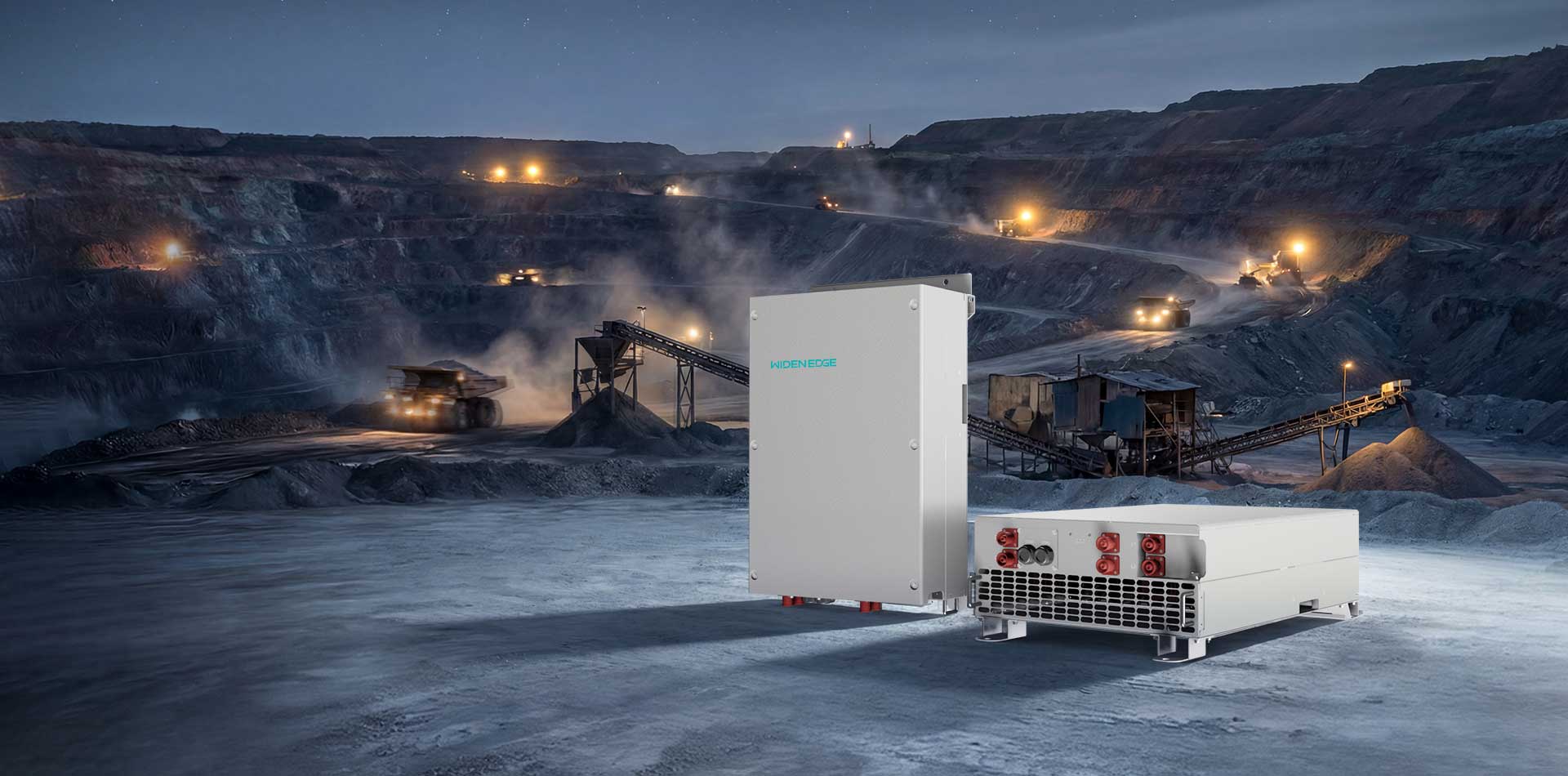
A diesel-solar hybrid system reduces fuel consumption by reducing unnecessary diesel generator operation. By combining solar PV, battery storage, and an energy management system (EMS), the system allows renewable energy to replace part of the diesel-generated electricity.
The main fuel-saving methods include solar power replacement, battery-supported operation, and intelligent diesel generator control.
Solar PV reduces diesel consumption by supplying electricity directly to the load during periods of solar generation.
When solar power is available, the site uses PV electricity first, reducing the amount of electricity that needs to be produced by the diesel generator. As a result, the generator operates for fewer hours or at a lower output level, reducing fuel consumption.
Battery storage improves fuel savings by storing excess solar energy and supplying power when solar generation is unavailable or insufficient.
Without battery storage, the diesel generator may need to start whenever solar output decreases or load demand changes. With battery storage, short-term demand fluctuations and certain low-demand periods can be supported without immediately relying on diesel power.
This reduces generator runtime and helps avoid inefficient operation, especially in applications with long periods of variable demand.
The EMS is the control system that coordinates solar PV, battery storage, load demand, and diesel generator operation.
Instead of allowing the generator to run continuously, the EMS determines the most efficient operating strategy based on real-time system conditions. It controls generator start and stop decisions, battery charging and discharging, and power distribution between different energy sources.
By improving coordination, the EMS helps keep the diesel generator operating closer to its efficient range while maximizing solar energy utilization.
A well-designed diesel-solar hybrid system does not simply add solar power to an existing diesel system. It improves the way the entire power system operates by reducing unnecessary diesel generation and increasing overall fuel efficiency.
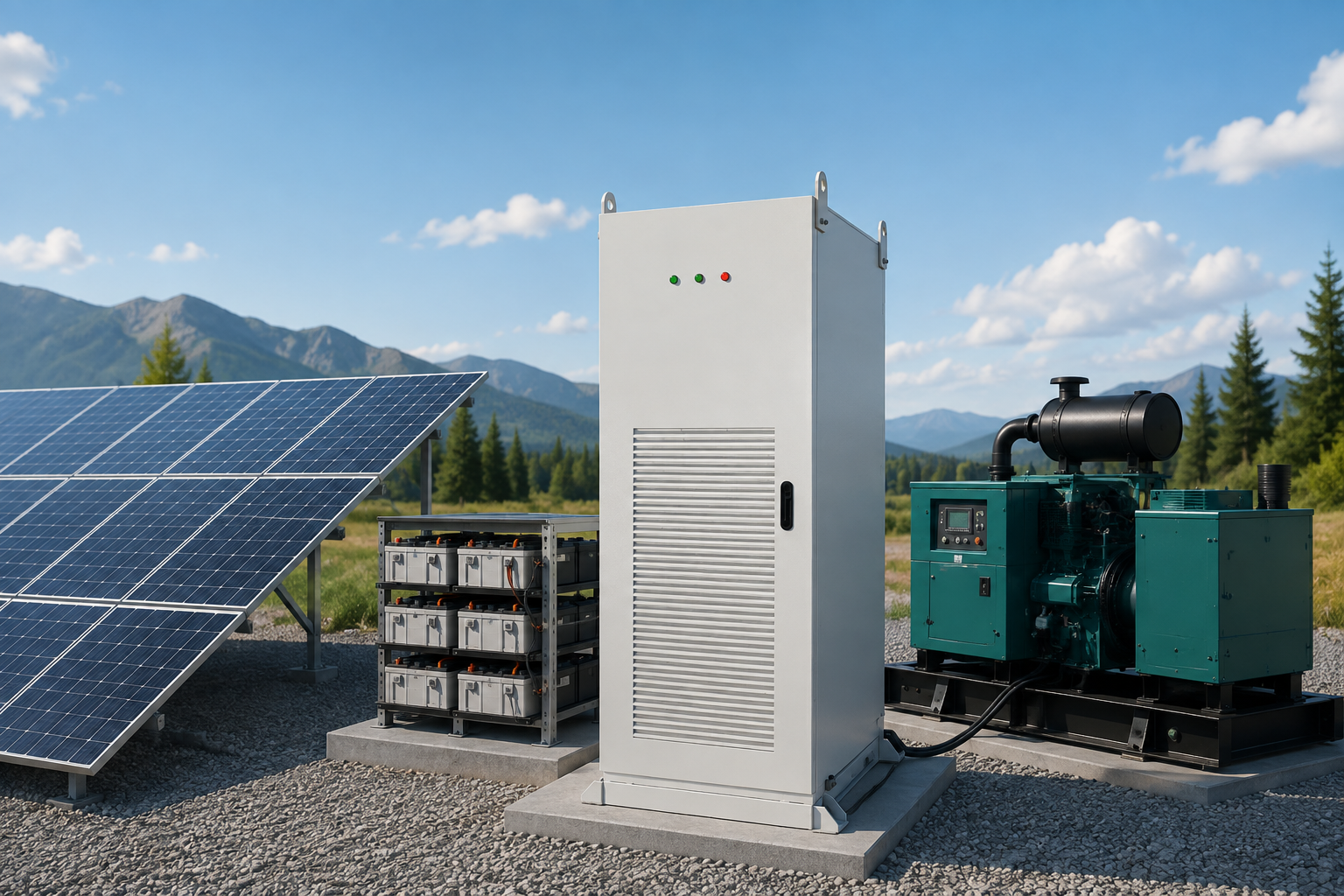
A diesel-solar hybrid system can reduce diesel fuel consumption, but the actual savings depend on system configuration and operating conditions. Load profile, solar availability, generator sizing, battery capacity, and EMS strategy all affect how much diesel generation can be replaced.
According to an IEA-PVPS report, a PV-diesel hybrid system reduced diesel fuel consumption by 33% compared with a diesel-only power system in a case study. The reduction was achieved by replacing part of the diesel-generated electricity with solar power and improving generator operation efficiency.
This value should be considered a reference rather than a guaranteed result. Projects with higher solar availability, longer generator operating hours, and optimized battery and EMS control may achieve greater fuel savings, while projects with different load characteristics may achieve lower savings.
The key factor is how effectively the hybrid system reduces unnecessary diesel generator operation.
The actual fuel savings of a diesel-solar hybrid system depend on how well the system matches the site’s energy demand and operating conditions. The same hybrid configuration can achieve different results in different projects.
The load profile determines how much diesel-generated electricity can be replaced by solar PV and battery storage.
Sites with long operating hours, fluctuating demand, or frequent low-load periods usually have greater potential for fuel savings because the hybrid system can reduce inefficient diesel operation.
Generator sizing affects how much fuel can be saved by improving diesel operating efficiency.
If the generator capacity is significantly higher than the actual site demand, it may operate below its efficient range for long periods. A properly sized system allows the diesel generator to operate more efficiently when it is required, increasing the potential fuel savings from hybrid operation.
Solar capacity determines how much diesel-generated electricity can be displaced by renewable energy.
A larger PV system can provide more solar electricity, but the actual fuel savings depend on whether the generated energy matches the site’s load demand and operating schedule.
Battery capacity determines how long the system can reduce or avoid diesel generator operation after solar generation decreases.
A properly sized battery can store excess solar energy, support load fluctuations, and extend diesel-off periods. However, battery capacity that is too small may limit fuel savings, while excessive capacity may increase system costs without providing proportional benefits.
EMS strategy directly affects how effectively solar PV, battery storage, and diesel generation work together.
An optimized EMS can improve renewable energy utilization, reduce unnecessary generator runtime, and ensure that diesel operation occurs only when needed or under more efficient conditions.
Ultimately, fuel savings are determined by the interaction between site conditions and system design. No single component determines the final result; instead, the combined performance of load profile, system sizing, renewable generation, storage, and control strategy defines the actual savings.
A real project example from WidenEdge shows how a diesel-solar hybrid system can reduce diesel generator operation through renewable energy integration.
In a Zimbabwe bank solar-diesel-storage microgrid project, WidenEdge deployed a system with 600 kWp PV generation, 500 kW / 1.2 MWh battery storage, and a 500 kVA diesel generator as backup. The system prioritized solar power, used battery storage when PV generation was insufficient, and relied on diesel generation only when required.
With this operating strategy, more than 80% of the bank’s daytime electricity consumption came from solar power, significantly reducing dependence on conventional power sources. The project demonstrates how PV generation, battery storage, and intelligent energy management work together to reduce unnecessary diesel generator operation.
Fuel savings are the most direct benefit of a diesel-solar hybrid system, but reducing diesel generator operation can also lower other operating costs.
Fewer generator operating hours reduce engine wear and maintenance requirements. Costs related to oil changes, filter replacement, and routine servicing can also be reduced over the system lifecycle.
In addition, lower diesel consumption means fewer fuel deliveries, which can reduce transportation costs, especially for remote sites where fuel supply is complex or expensive.
By improving the coordination between solar PV, battery storage, and diesel generation, a hybrid system can reduce overall operating expenses while improving long-term power reliability.
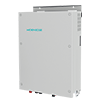
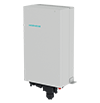
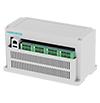
WidenEdge’s MGC series is designed for solar-storage-diesel hybrid applications, helping coordinate renewable generation, battery storage, diesel generators, and loads through advanced power conversion and control technologies.
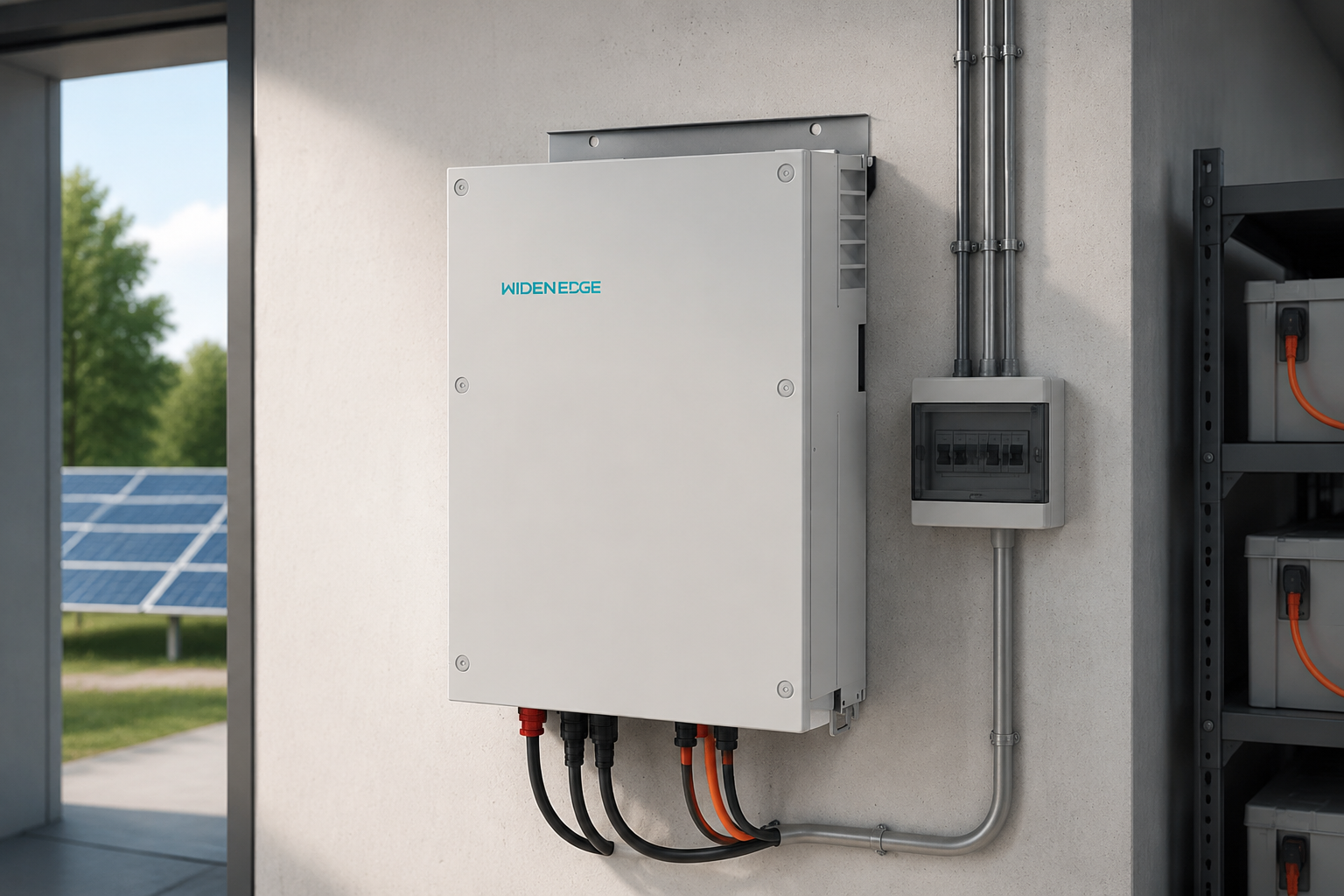
Key advantages include:
By integrating these capabilities, MGC helps maximize renewable energy utilization, improve hybrid system efficiency, and enhance power reliability for off-grid and weak-grid applications.
A diesel-solar hybrid system can significantly reduce diesel consumption by combining solar PV, battery storage, and intelligent energy management. The actual savings depend on system design and operating conditions, but the right solution can improve efficiency, reduce operating costs, and enhance power reliability.
WidenEdge’s MGC series provides advanced power conversion and control capabilities for solar-storage-diesel applications, helping maximize renewable energy utilization and optimize hybrid system performance.
Contact WidenEdge today to explore a customized diesel-solar hybrid solution for your project.
Return