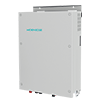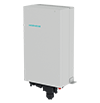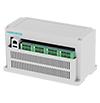
A power conversion system (PCS) is an electronic platform that converts, regulates, and controls electrical power between generation sources, storage systems, loads, and the utility grid. Beyond energy generation, reliable electricity relies on this technology to ensure different components operate together safely and efficiently. As renewable energy and distributed generation expand, the system has become a key building block for modern energy infrastructure.
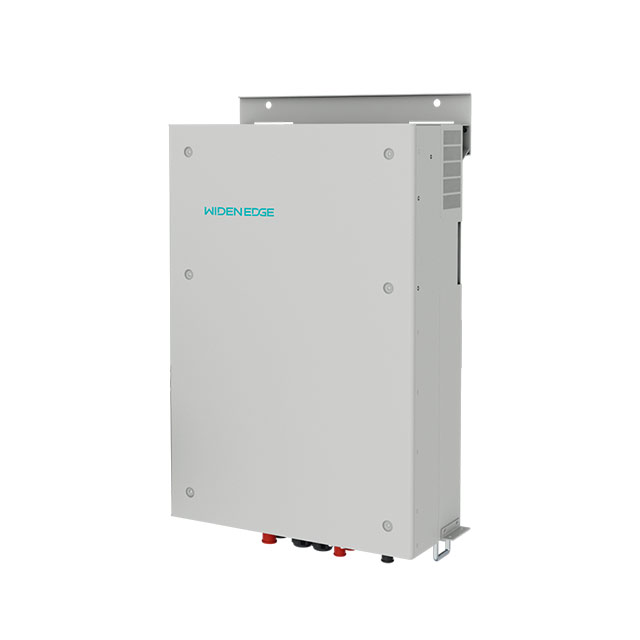
A PCS is an electronic platform that converts electrical energy between different forms while maintaining stable and reliable system operation. Depending on the application, it converts direct current (DC) from battery energy storage into alternating current (AC) for connected loads, converts AC power into DC during battery charging, or supports bidirectional energy transfer between energy sources and the utility grid. These conversion processes allow renewable energy resources, storage systems, and conventional power supplies to operate within a common electrical framework.
Beyond energy conversion, the system performs a wide range of control and protection functions that are essential for modern power systems. It continuously regulates voltage, frequency, current, and active or reactive power while monitoring operating conditions.
Communication with battery management systems (BMS), energy management systems (EMS), photovoltaic inverters, and supervisory control platforms enables coordinated operation among multiple devices. As distributed energy resources become more widely deployed, this technology plays an important role in supporting system stability, improving power quality, and ensuring that different electrical assets operate efficiently under varying conditions.
Modern microgrid solutions combine renewable generation, battery energy storage, conventional generators, and electrical loads into a unified power system. Because each energy source operates differently, coordination becomes essential for maintaining stable operation under changing conditions.
The PCS provides this coordination by balancing power flow, supporting voltage regulation, and responding to variations in load demand or renewable generation. In systems capable of operating independently from the utility grid, advanced control strategies help maintain frequency stability while ensuring uninterrupted power delivery during transitions between operating modes.
Within battery energy storage systems, the power conversion system performs several critical operational tasks. During battery charging, it converts incoming AC electricity into DC power suitable for battery storage. During discharge, it converts stored DC energy back into AC electricity for connected equipment or grid support.
Many PCS platforms also include bidirectional operation, allowing energy to move efficiently between batteries and the electrical network. Additional functions often include fault protection, thermal management, communication with battery management systems, and integration with supervisory control platforms. These features improve operational reliability while supporting flexible energy management strategies.
Traditional inverter systems typically follow an existing electrical grid. However, many microgrid solutions must continue operating even when the utility grid is unavailable or unstable. Under these conditions, grid-forming technology becomes increasingly important.
Grid-forming control enables the system to establish voltage and frequency references independently instead of relying on an external grid. This capability supports stable operation in islanded systems, renewable energy integration, weak-grid environments, and off-grid applications. It also improves coordination among battery storage, renewable generation, and conventional backup generators during dynamic operating conditions.
Choosing an appropriate power conversion system depends on several engineering considerations rather than power rating alone. System designers typically evaluate conversion efficiency, voltage range, overload capability, communication interfaces, scalability, environmental conditions, and compatibility with other equipment.
The operating environment also influences equipment selection. Industrial facilities, remote communities, commercial buildings, island power systems, and emergency backup applications each present different electrical characteristics and operational priorities. Selecting a PCS that matches these requirements helps improve long-term reliability and simplifies system integration throughout the project lifecycle.
At WidenEdge, we focus on developing technologies that support practical and reliable energy management. Founded in 2019, we specialize in full-SiC grid-forming technologies for microgrids, off-grid systems, weak-grid applications, and renewable energy integration. Our product portfolio includes MGC energy storage inverters, PV/DC converters, EV/DC converters, and Hub local controllers designed for coordinated energy control.
We also provide technical support covering product selection, system architecture, integration assistance, and project implementation. Our grid-forming control technology supports Virtual Synchronous Generator control, droop control, and seamless mode transition between grid-following and grid-forming operations, helping customers build stable and flexible energy systems across diverse microgrid applications.
As renewable generation and distributed energy resources continue to expand, effective power management becomes increasingly important. A well-designed power conversion architecture enables stable operation, efficient energy utilization, and coordinated control across multiple power sources. At WidenEdge, we continue to develop grid-forming technologies and engineering solutions that support reliable microgrid deployment while helping customers implement practical energy storage and renewable integration projects.
Return