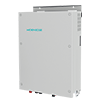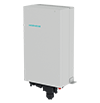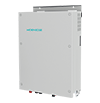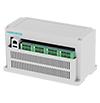
Modern energy systems are increasingly integrating renewable generation, energy storage, and distributed power resources. To maintain stable energy conversion and reliable operation, we develop advanced solutions that connect different power sources with electrical loads. At WidenEdge, we focus on providing technologies related to power conversion and energy management, helping customers understand how these systems support flexible and efficient energy applications.
A power conversion system plays a key role in managing the interaction between energy storage units, renewable energy sources, and the electrical grid. By coordinating power conversion, control, and protection functions, these systems enable more adaptable energy infrastructures. Understanding the main components helps us better evaluate how these systems operate within different energy scenarios.
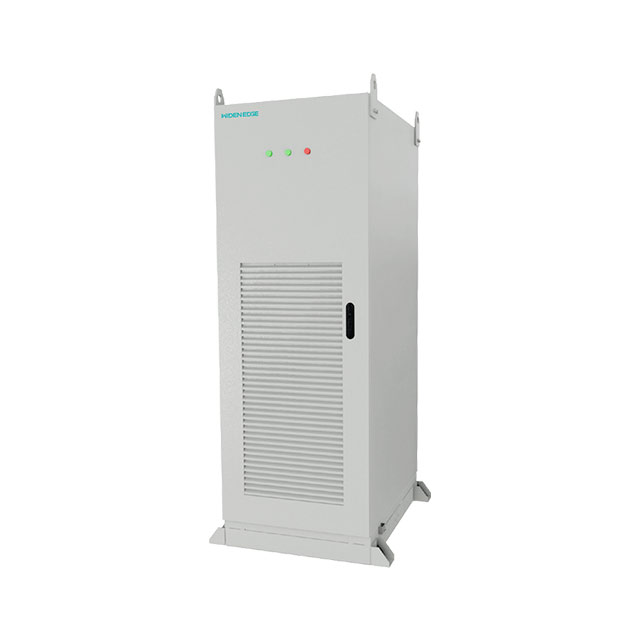
When we design and apply a power conversion system, we consider multiple functional units working together as one integrated solution. Each component has a specific role in converting, controlling, and distributing electrical energy according to operational requirements.
The main structure usually includes power conversion units, control systems, monitoring interfaces, and protection devices. These components cooperate to manage energy flow between batteries, renewable sources, and electrical networks.
The power conversion unit is one of the most important parts because it manages the conversion between direct current (DC) and alternating current (AC). Energy storage batteries normally provide DC power, while most electrical grids and loads operate with AC power.
Through bidirectional conversion capability, the system can both charge energy storage equipment from the grid and release stored energy when needed. This function supports applications such as renewable integration, peak load management, and independent energy operation.
Within our power conversion system solutions, the power conversion unit serves as the central component responsible for energy transformation. It determines how electrical energy moves between different sources and destinations.
During charging operations, the unit converts AC power from the grid into DC power suitable for battery storage. During discharge operations, it reverses the process by converting DC energy from batteries into AC power for connected loads.
The performance of the conversion unit directly affects system operation, including energy efficiency, response capability, and compatibility with different energy sources. For this reason, selecting suitable conversion technology is an important consideration when developing energy storage projects.
At WidenEdge, we focus on designing solutions that support various energy applications while maintaining reliable conversion and control processes. The conversion unit works together with other system components to achieve coordinated operation.
A complete power conversion system requires intelligent control functions to coordinate energy flows and operating conditions. The control system acts as the decision-making center that manages communication between different components.
The control system collects operational information from batteries, power conversion modules, and external energy networks. Based on this information, it adjusts operating strategies to maintain stable system performance.
Energy management functions can help optimize charging and discharging schedules, balance energy demand, and support different application requirements. These functions are especially important in complex energy environments where multiple power sources operate together.
For microgrid applications, advanced control strategies allow systems to respond to changes in generation and consumption. This helps improve operational flexibility and supports the development of reliable microgrid solutions for different energy scenarios.
Energy storage units are another essential part of a complete power conversion system. They store electrical energy and provide flexibility by allowing power to be used at different times.
The battery system usually works together with battery management technology, which monitors battery conditions and supports safe operation. Proper integration between batteries and conversion equipment helps maintain coordinated energy exchange.
Protection components also play an important role in system reliability. These components monitor electrical conditions and help prevent problems caused by abnormal operation, such as excessive current or voltage fluctuations.
By combining energy storage, conversion equipment, and protection functions, we create systems that can better adapt to changing energy requirements. These designs are widely considered in renewable energy and distributed power applications.
Monitoring and communication systems provide visibility into the operation of a power conversion system. They allow operators to review operating conditions and manage system performance more effectively.
These interfaces collect information from different components and present important operational data. Users can use this information to understand energy flow, identify operational changes, and support maintenance activities.
Communication functions also allow energy systems to interact with external platforms or management systems. This capability is valuable for projects that require coordination between multiple devices or energy resources.
In modern energy environments, monitoring technology supports more transparent and manageable operation. It helps users maintain better awareness of system conditions while improving overall energy management processes.
As energy structures continue to evolve, we develop microgrid solutions that integrate renewable energy, storage resources, and intelligent control technologies. A complete system requires cooperation between hardware components and software functions.
Power conversion units, storage systems, controllers, monitoring platforms, and protection devices all contribute to stable operation. Each element has a defined role, and their coordination determines how effectively the overall system responds to different energy demands.
For off-grid and grid-connected applications, integrated energy systems can provide more flexible options for managing electricity generation and consumption. The combination of renewable resources and storage technologies creates new possibilities for energy independence and efficient utilization.
At WidenEdge, we continue to focus on energy conversion technologies and system integration approaches. By understanding customer requirements and application conditions, we aim to provide suitable solutions for different energy environments.
The components of a power conversion system work together to achieve controlled energy conversion, storage coordination, and stable power management. From conversion units to monitoring systems, every part contributes to the overall operation of the solution.
Understanding these components helps project developers and energy users make informed decisions when selecting suitable technologies. A well-designed system depends not only on individual components but also on how effectively they operate together.
WidenEdge provides energy conversion solutions designed for modern power applications, supporting the development of flexible energy systems. Through continued attention to technology integration and practical requirements, we help customers explore more efficient approaches for future energy management.
Return