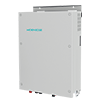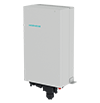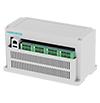
Power conversion systems support modern microgrids by managing bidirectional energy flows, maintaining grid stability under changing conditions, and integrating renewable resources with energy storage. At WidenEdge, we focus on technologies that help connect renewable energy, energy storage, and power networks through reliable conversion and control methods. Understanding how a power conversion system supports modern microgrids allows us to better evaluate the role of energy management in future power applications.
Modern microgrids require coordinated operation between multiple energy sources and electrical loads. Unlike traditional power structures that rely mainly on centralized generation, microgrids need flexible, grid-forming systems that can establish independent voltage and frequency references. Through advanced SiC conversion technologies and grid-forming control strategies, we provide solutions designed to support stable and adaptable energy operations in weak-grid and islanded conditions.
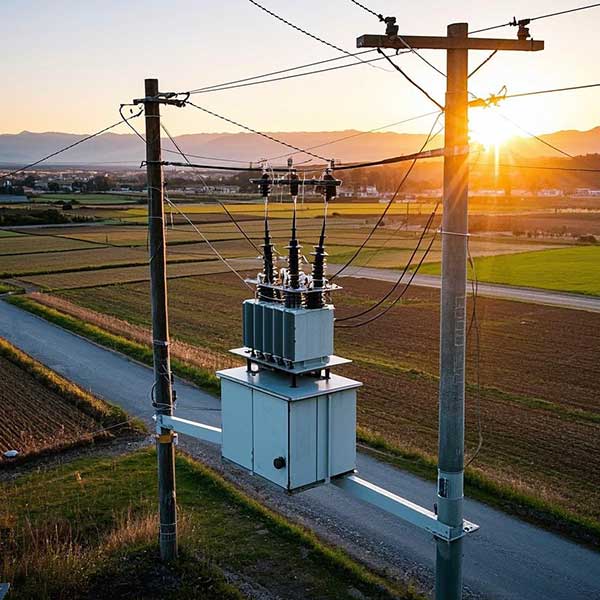
A power conversion system acts as a connection point between energy storage devices, renewable generation equipment, and electrical networks. It manages the conversion of electrical energy between different forms, allowing various components within a microgrid to operate together.
In a modern microgrid, energy sources may produce electricity in different formats and at different times. Conversion equipment helps coordinate these differences by regulating energy flow between generation units, storage systems, and connected loads.
We recognize that effective energy coordination depends on more than individual components. The interaction between conversion hardware, control systems, and monitoring technologies determines how efficiently a microgrid can respond to operational requirements.
By integrating suitable conversion technologies, microgrids can achieve improved flexibility while maintaining reliable power management. This makes conversion systems an important part of distributed energy infrastructure.
The primary function of a power conversion system is to control the movement of electrical energy throughout a microgrid. It enables energy transfer between battery storage systems, renewable sources, and the electrical grid.
When renewable energy generation exceeds immediate demand, the system can support energy storage by directing available power into batteries. When additional electricity is required, stored energy can be converted and supplied to connected loads.
This bidirectional energy management capability allows microgrids to operate more effectively under different conditions. It also supports applications where energy availability and consumption patterns change throughout the day.
At WidenEdge, we focus on developing solutions that consider practical application requirements. Instead of relying on a single operating mode, modern conversion systems need to support different scenarios, including grid-connected and independent energy operations.
A microgrid depends on coordinated control to maintain balanced operation. Within our microgrid solutions, intelligent control technologies help manage communication between energy resources, conversion equipment, and external power networks.
Control systems continuously collect operational information and adjust system responses according to changing conditions. These adjustments may involve regulating power output, managing storage schedules, or maintaining appropriate operating parameters.
This coordination becomes especially important when renewable energy sources are involved. Since solar and wind generation can vary according to environmental conditions, microgrids require flexible management approaches.
Through effective control strategies, microgrids can better organize energy resources and improve operational planning. The conversion system and control platform work together to create a more coordinated energy environment.
Renewable energy integration is one of the important applications supported by modern power conversion systems. Renewable sources often generate electricity in ways that differ from conventional power generation methods.
Conversion technologies allow renewable energy resources to connect with storage equipment and electrical networks. They help manage energy characteristics and provide compatibility between different parts of the power system.
For microgrids that include renewable generation, stable conversion processes are essential for maintaining consistent operation. Without proper energy conversion, renewable resources may not be fully utilized within the overall system.
We design our solutions around the need for effective energy integration. By combining conversion technologies with suitable control methods, we help create systems that support the practical use of renewable resources.
Energy storage is a key element of modern microgrid development. A power conversion system enables communication between battery storage units and the wider energy network by managing charging and discharging processes.
During periods of high renewable generation, stored energy can provide additional flexibility. During periods when generation is limited, stored electricity can support local energy demand.
This approach helps microgrids manage variations in energy availability. Instead of depending only on immediate generation, systems with storage capability can organize energy use based on operational needs.
At WidenEdge, we understand that energy storage integration requires careful coordination between hardware and software. Effective system design depends on the compatibility of storage equipment, conversion technology, and management strategies.
The role of microgrid solutions continues to expand as organizations seek more adaptable energy structures. Modern microgrids can support different applications, including renewable integration, energy storage management, and local power coordination.
Power conversion technologies provide the foundation for these applications by controlling how electricity moves between different system elements. They allow energy resources to work together while maintaining organized operation.
As energy requirements become more diverse, flexible system design becomes increasingly important. A suitable microgrid architecture must consider energy sources, storage capacity, operational objectives, and communication requirements.
We continue to explore technologies that support practical energy applications. By focusing on system integration and reliable operation, WidenEdge contributes to the development of flexible energy management approaches.
The future of microgrids depends on effective coordination between generation, storage, conversion, and control technologies. A power conversion system provides the necessary connection between these elements and helps maintain structured energy exchange.
By understanding the functions of conversion equipment, control systems, and storage integration, users can better evaluate solutions for different energy projects. Each component plays a specific role in creating a balanced and manageable system.
WidenEdge is committed to supporting modern energy development through advanced conversion and microgrid technologies. With a focus on practical engineering requirements, we provide solutions that help customers explore reliable approaches for grid-connected and off-grid energy applications.
Return