Energy storage inverters support modern power systems by enabling bidirectional power conversion, delivering active grid-forming control in microgrids, and driving market growth across industrial and distributed energy applications. At WidenEdge, we focus on developing solutions related to power conversion and energy storage applications, helping customers understand how advanced technologies support modern energy systems.
Energy storage has become an important part of many electricity networks because it helps balance energy supply and demand. As renewable generation continues to develop, energy storage equipment needs reliable conversion technologies to connect batteries with electrical networks. Understanding the technology and market development of energy storage inverters helps us evaluate their role in future energy applications.
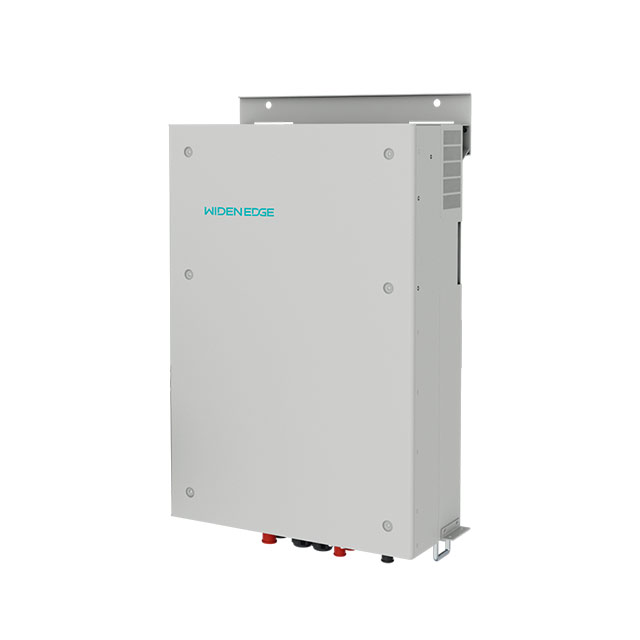
An energy storage inverter is a key device that manages the conversion of electrical energy between battery systems and external power networks. It allows stored energy to be converted into usable electricity while also supporting charging processes when additional power is available.
Unlike traditional inverters that mainly focus on converting electricity from a single source, energy storage inverters are designed to manage two-way energy flows. This feature allows batteries to store electricity and release it according to system requirements.
The operation of these devices involves coordination between power conversion components, control systems, and protection functions. Each part contributes to maintaining stable energy transfer between storage units and connected electrical equipment.
At WidenEdge, we study how these technologies can be applied within different energy environments. Our approach focuses on practical system integration and meeting the technical requirements of modern energy projects.
The development of an energy storage inverter depends on several important technologies, including power conversion, control algorithms, communication functions, and system protection.
Power conversion technology enables the exchange between direct current from batteries and alternating current used by electrical networks. This process requires precise control to ensure that energy moves efficiently between different system components.
Control technology is another important element because it manages operating conditions according to changing energy requirements. Through monitoring and regulation, the inverter can adjust charging and discharging operations based on system needs.
Communication capabilities also support coordination with energy management platforms. These functions allow operators to understand system status and manage energy resources more effectively.
Modern energy networks increasingly require flexible solutions that can combine renewable generation, storage systems, and local electricity consumption. Within our microgrid solutions, energy storage inverters provide a connection between batteries and other power resources.
Microgrids often operate with multiple energy sources that may have different output characteristics. Energy storage inverters help coordinate these sources by controlling energy exchange and maintaining appropriate operating conditions.
When renewable generation changes, storage systems can respond by adjusting charging or discharging activities. This flexibility helps microgrids manage variations in electricity availability.
We believe that effective microgrid development requires cooperation between hardware technologies and intelligent management systems. Energy storage inverters are an important part of this coordinated approach.
The market for energy storage technologies continues to develop as more industries explore renewable energy integration and flexible power management. An energy storage inverter supports these trends by providing the conversion functions required for battery-based energy systems.
Demand for energy storage solutions is influenced by several factors, including renewable energy deployment, grid modernization, and the need for better energy management. Different applications may require different system configurations depending on operational goals.
Commercial, industrial, and distributed energy projects are among the areas where energy storage technologies can provide practical value. The development of these applications encourages continuous improvement in conversion technology.
At WidenEdge, we focus on understanding these market requirements and developing solutions that align with changing energy system needs. We consider both technical performance and application conditions when exploring future opportunities.
Traditional conversion equipment usually focuses on delivering electricity from a specific source to a designated load. In comparison, an energy storage inverter is designed to manage energy exchange between storage systems and power networks.
The main difference is the ability to support bidirectional operation. Energy storage inverters can convert electricity in both directions, allowing batteries to charge and discharge according to demand.
This capability provides additional flexibility for energy systems. It enables users to manage stored electricity and respond to changes in energy generation or consumption patterns.
However, the selection of suitable equipment depends on project requirements, including system design, application environment, and integration needs. Each energy project requires careful evaluation before choosing appropriate technologies.
The development of smart energy systems requires better coordination between generation, storage, and consumption. An energy storage inverter contributes to this development by providing controlled energy conversion and communication capabilities.
Future energy systems will likely involve more distributed resources and more complex energy interactions. This requires conversion equipment that can work together with monitoring platforms and management systems.
Intelligent control functions can improve visibility into energy operation and help users make informed decisions. By collecting and analyzing system information, operators can better understand energy usage patterns.
WidenEdge continues to explore technologies that support modern energy applications. Through system integration and technology development, we aim to contribute to more flexible approaches for energy management.
Energy storage technology is becoming an important component of the transition toward more distributed and adaptable electricity networks. A reliable microgrid solutions approach requires effective coordination between storage equipment, conversion systems, and energy management technologies.
Energy storage inverters provide the connection needed to integrate batteries with renewable resources and electrical networks. Their role extends beyond simple energy conversion by supporting system control and operational flexibility.
As energy requirements continue to change, understanding inverter technology and market trends helps organizations make better decisions when planning energy projects.
WidenEdge focuses on power conversion and energy storage technologies, providing solutions designed for modern energy applications. Through continuous technical exploration and system integration, we support customers in developing suitable approaches for grid-connected and off-grid energy environments.
Return