Growing industrial electricity demand has created new challenges for factories that need to expand production while managing infrastructure costs. Traditional grid upgrades, including substation expansion, can require significant planning, investment, and coordination. At WidenEdge, we explore how advanced energy management approaches can help factories optimize existing electrical infrastructure. Through properly designed commercial microgrid solutions, businesses can improve energy flexibility and manage power requirements more efficiently.
Factory expansion often increases electricity consumption because of additional equipment, automated processes, and higher operational requirements. When existing electrical infrastructure reaches its designed capacity, companies may consider upgrading substations or requesting additional grid capacity.
However, substation upgrades can involve complex engineering processes and coordination with utility providers. The required investment and project timeline may affect expansion plans, especially when factories need flexible solutions to support changing energy demands.
A commercial microgrid solutions approach provides an alternative method by helping facilities manage energy resources locally. By coordinating distributed energy assets, factories can better control power flows and reduce unnecessary pressure on existing grid connections.
Peak demand periods can create significant challenges for industrial facilities because electricity usage is not always constant throughout the day. Production schedules, equipment operation, and seasonal conditions can influence energy consumption patterns.
A commercial microgrid system can coordinate energy sources, storage resources, and control strategies to help manage peak demand situations. Instead of relying entirely on the external grid during high-demand periods, factories may use locally available resources when appropriate.
This approach can help businesses optimize their existing electrical infrastructure. By reducing demand stress during certain operating conditions, factories may be able to delay some substation expansion decisions while evaluating long-term energy requirements.
Energy storage plays an important role in modern industrial energy management. Battery systems can store electricity when conditions are suitable and provide additional power support when demand increases.
For factories considering a commercial microgrid deployment, energy storage can become a flexible resource for balancing electricity usage. The system can respond to operational requirements while supporting more predictable energy management.
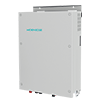
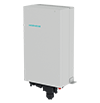
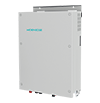
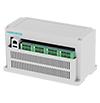
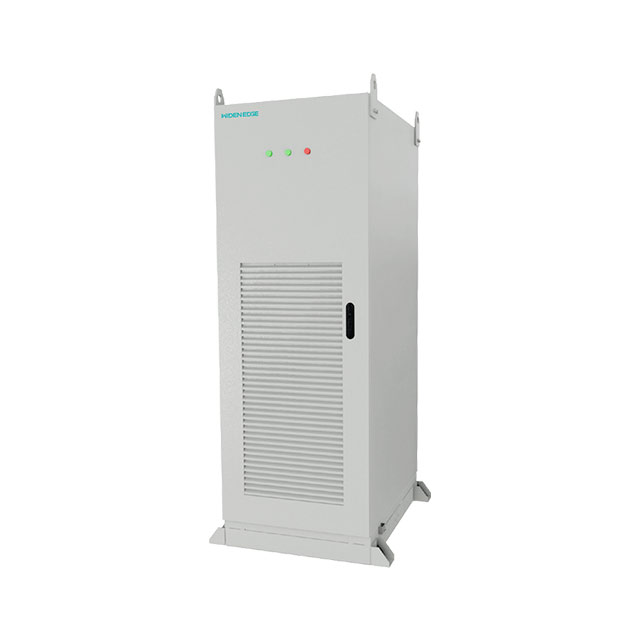
At WidenEdge, we focus on power conversion technologies that enable effective interaction between energy storage systems and electrical networks. Our solutions are designed to support stable energy management strategies for different industrial applications.
Substation upgrades are sometimes necessary when factory demand grows beyond available capacity. However, before committing to major infrastructure changes, companies can evaluate whether better energy management can address short-term and medium-term requirements.
Microgrid systems can provide additional control over how electricity is generated, stored, and consumed within a facility. This allows factories to analyze energy usage patterns and identify opportunities for improving system efficiency.
A carefully planned commercial microgrid solutions project does not replace grid infrastructure planning but provides another option for managing energy needs. It allows businesses to approach expansion decisions with more flexibility.
Many factories are exploring renewable energy integration as part of broader energy management strategies. However, renewable generation can vary depending on environmental conditions.
Microgrid technologies help integrate renewable resources with other energy assets through coordinated control. This enables factories to manage changing power availability while maintaining stable operations.
For companies adopting microgrid solutions, renewable energy integration can become part of a broader strategy for improving energy resilience. The system design must consider facility requirements, available resources, and operational objectives.
Power conversion systems are essential components in microgrid projects because they manage the interaction between different energy sources and electrical loads. Reliable conversion technology supports stable energy transfer between batteries, renewable generation systems, and facility networks.
A professional microgrid solutions provider needs to consider system compatibility, control performance, and application requirements during project development. Proper system design helps ensure that energy resources can work together effectively.
We continue developing power conversion technologies that support modern energy applications. We understand that factories require practical solutions that balance technical performance with real operational needs.
Every factory has different electricity consumption patterns, production schedules, and expansion plans. Therefore, microgrid projects require detailed evaluation before implementation.
Companies should analyze current energy usage, future demand expectations, and existing grid conditions when considering alternatives to substation upgrades. A structured planning process helps identify whether distributed energy resources can provide meaningful support.
Commercial microgrid solutions can serve as part of a broader energy strategy by improving flexibility and supporting more efficient infrastructure utilization. The goal is not to eliminate grid connections but to create a more balanced energy system.
At WidenEdge, we focus on providing power conversion solutions that support the evolving needs of industrial energy systems. We understand that factories require reliable technologies to manage increasing electricity demands while maintaining operational stability.
Our approach combines engineering knowledge, energy management considerations, and practical application requirements. By supporting advanced energy systems, Our team helps customers explore flexible solutions for industrial power management.
As energy demands continue to change, we believe effective system design and responsible technology development are essential. WidenEdge works with customers seeking dependable commercial microgrid solutions to improve energy flexibility and support future facility growth.
Return