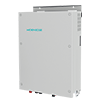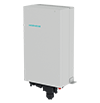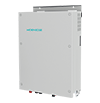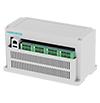

The development of advanced power electronics has created higher requirements for efficiency, reliability, and thermal control in modern energy systems. At WidenEdge, we focus on providing power conversion technologies that support stable energy management and flexible applications. Through optimized thermal design, component coordination, and system-level strategies, we help improve the performance of SiC-based power systems used in modern energy environments.
As power devices continue to evolve, thermal management has become an important factor affecting system efficiency. Although SiC technology provides strong electrical performance, effective heat control remains essential for maintaining reliable operation. We believe that a comprehensive thermal strategy can help maximize the advantages of advanced semiconductor technologies.
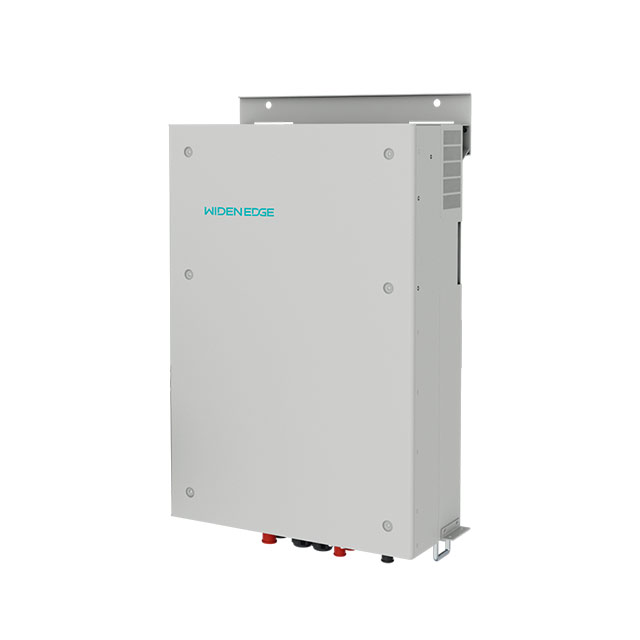
Power conversion equipment operates under continuous electrical stress, and heat generation is an unavoidable part of the conversion process. If thermal conditions are not properly managed, excessive temperature variation may influence system stability and component performance.
At WidenEdge, we consider thermal management as a fundamental part of power system design rather than an independent process. Our approach combines hardware design, operating strategies, and system coordination to create more balanced energy solutions.
For SiC microgrid solutions, thermal performance directly affects how effectively power semiconductor devices can operate. By controlling heat generation and improving heat removal, engineers can achieve better system efficiency while maintaining reliable operation.
A well-designed thermal path is one of the key elements for efficient heat transfer. Heat generated by semiconductor devices needs to move through multiple layers before reaching cooling structures, and every connection point can influence thermal performance.
We focus on optimizing the relationship between power modules, thermal interface materials, heat sinks, and mechanical structures. Reducing unnecessary thermal resistance helps create a smoother heat transfer route inside the power conversion system.
For advanced microgrid solutions, a carefully designed thermal path supports stable operation under different power conditions. It also provides a stronger foundation for improving equipment durability and maintaining consistent energy conversion performance.
Cooling methods should match the actual operating environment and system design requirements. Different applications may require different approaches depending on installation conditions, equipment structure, and expected operating characteristics.
Cooling solutions should be evaluated according to practical engineering factors instead of applying a single method to every system. Air cooling, liquid cooling, and other thermal control approaches each have their own suitable application scenarios.
In SiC-based power systems, selecting an appropriate cooling method helps maintain a balance between thermal performance and system complexity. A suitable cooling design can support efficient operation while avoiding unnecessary design challenges.
Thermal management requires not only heat removal but also accurate understanding of temperature behavior during operation. Monitoring temperature changes allows engineers to better evaluate system conditions and identify potential issues.
We integrate monitoring considerations into our system design process to improve operational visibility. By collecting and analyzing thermal information, energy systems can achieve more effective control and maintenance planning.
Within modern microgrid solutions, temperature monitoring provides valuable support for improving operational decisions. It enables system operators to better understand equipment conditions and optimize performance based on real operating requirements.
The internal structure of power conversion equipment has a direct influence on thermal performance. Poor component placement may create uneven heat distribution, while optimized layouts can improve airflow and heat transfer efficiency.
We carefully consider the position of power modules, control components, cooling elements, and electrical connections during the design process. A balanced arrangement helps reduce thermal interference between different components.
For SiC microgrid solutions, effective component integration is especially important because system performance depends on coordination between electrical and thermal design. Optimized layouts allow different parts of the system to work together more efficiently.
Modern energy systems increasingly rely on intelligent control technologies to improve operational flexibility. Thermal management can also benefit from advanced control strategies that respond to changing operating conditions.
We explore ways to combine control algorithms, system monitoring, and hardware design to improve thermal performance. Instead of relying only on passive cooling structures, intelligent management can provide additional support during changing workloads.
For future microgrid solutions, intelligent thermal strategies can help improve adaptability and operational efficiency. Combining digital technologies with reliable power electronics creates more effective approaches for managing complex energy applications.
Thermal management is an essential consideration when developing efficient power conversion systems. From thermal path design and cooling selection to monitoring and intelligent control, every element influences the final system performance.
At WidenEdge, we are committed to advancing reliable power electronics solutions for modern energy applications. By focusing on practical engineering, system optimization, and continuous technology development, we provide solutions that support the evolving requirements of microgrid and energy storage industries.
Our experience in power conversion technologies enables us to work toward more efficient and dependable energy systems. Through thoughtful design and careful optimization, WidenEdge continues to support customers seeking stable solutions for future energy challenges.
Return