Energy efficiency has become a key consideration for modern power systems as industries, commercial facilities, and renewable energy projects require more reliable and optimized electricity management. At WidenEdge, we focus on developing advanced power conversion technologies that support stable and efficient energy operation. Through the application of SiC-based power conversion technologies, energy systems can reduce certain conversion losses and improve the efficiency of microgrid operations.
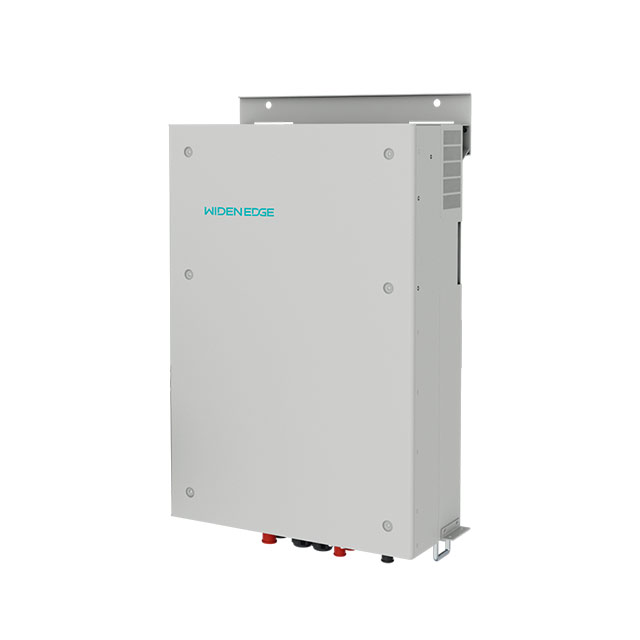
Power conversion is one of the main areas where energy losses occur in a microgrid system. Compared with traditional silicon-based devices, SiC semiconductor technology offers advantages in switching speed and thermal performance for certain high-power applications. Silicon carbide (SiC) semiconductor technology provides improved electrical characteristics that support more efficient conversion processes.
Our microgrid solutions integrate advanced power electronics concepts to optimize energy flow between generation sources, storage systems, and electrical loads. By reducing switching losses and improving converter performance, SiC-based systems can help minimize wasted energy during power transformation.
SiC devices can operate at higher switching frequencies compared with conventional silicon components. This capability allows power converters to achieve more precise control while maintaining efficient operation across different load conditions.
Energy losses in power electronic systems mainly come from switching losses and conduction losses. When semiconductor devices repeatedly turn on and off, energy is consumed during each switching cycle. Improving this process is essential for increasing system efficiency.
SiC microgrid solutions use silicon carbide power devices that provide lower resistance during conduction and faster switching characteristics. These advantages allow converters to operate with reduced energy dissipation while supporting the dynamic requirements of modern microgrids.
At WidenEdge, we consider semiconductor selection, system design, and operational requirements together. This approach helps ensure that power conversion equipment can achieve balanced performance without relying on unnecessary system complexity.
Heat generation is another factor that affects energy efficiency in power systems. Excessive heat can increase cooling requirements and reduce the effectiveness of electrical components. Efficient thermal management is therefore an important part of reducing total energy consumption.
Our SiC microgrid solutions support improved thermal performance because SiC components can operate effectively under higher temperature conditions compared with traditional semiconductor materials. This characteristic allows system designers to develop more compact and efficient power conversion equipment.
Better thermal performance also contributes to long-term system stability. By managing heat more effectively, microgrid equipment can maintain consistent operation and reduce energy losses associated with inefficient cooling processes.
The increasing use of renewable energy creates new requirements for flexible and efficient power management. Solar and wind resources are naturally variable, requiring advanced systems that can balance generation, storage, and consumption.
Microgrid solutions provide a framework for coordinating different energy sources and improving energy utilization. When combined with efficient power conversion technologies, these systems can reduce unnecessary energy losses during charging, discharging, and power distribution processes.
WidenEdge focuses on technologies that support the integration of renewable energy and energy storage systems. By applying SiC technology in suitable power conversion applications, we help create systems designed for improved efficiency and flexible energy management.
Modern microgrids require accurate control strategies to maintain stable operation under changing conditions. Power conversion systems must respond quickly to variations in electricity generation and demand.
SiC-based power conversion technologies enable faster switching response and more efficient control performance in power electronic equipment. These characteristics help improve energy flow management between different parts of a microgrid system.
We recognize that efficiency is not determined by a single component. Instead, it depends on the coordination between hardware design, control technology, and system architecture. A comprehensive approach helps reduce energy losses throughout the entire power management process.
The transition toward smarter energy networks requires technologies that improve efficiency while maintaining operational flexibility. Reducing energy losses is an important step toward optimizing electricity usage and supporting sustainable power development.
Our microgrid solutions are designed to address the technical challenges of modern energy systems by combining reliable power conversion with advanced semiconductor technologies. Through continuous technology development, we aim to support customers seeking efficient solutions for distributed energy applications.
SiC technology represents an important direction in power electronics because it provides opportunities for improving converter efficiency, thermal performance, and system design flexibility. As energy requirements continue to evolve, efficient power conversion will remain essential for future microgrid development.
Reducing energy losses requires a combination of advanced components, optimized designs, and practical engineering experience. At WidenEdge, we develop power conversion technologies that support efficient and reliable energy management for microgrid and energy storage applications.
Through our focus on advanced solutions, including SiC microgrid solutions, we continue to explore ways to improve power system efficiency and operational performance. By working with industry partners and applying innovative engineering approaches, our team supports the development of more efficient energy systems for future power needs.
Return