A NEMA 3R label can look like a simple outdoor-rating checkbox, but it answers only part of equipment selection. For a 45kW inverter serving a solar-storage microgrid, the issue is whether enclosure protection matches site exposure and whether the inverter can deliver the required operating behavior. Understanding NEMA 3R therefore starts with what the designation actually protects against, then moves to how that protection fits the complete system.
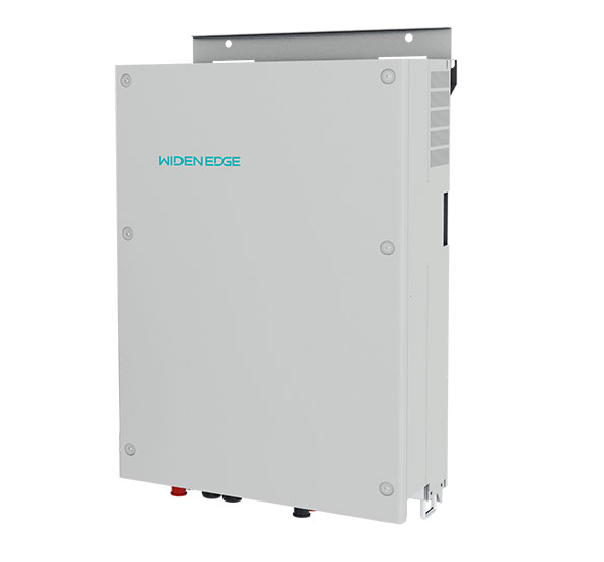
NEMA defines Type 3R enclosures for indoor or outdoor use with protection against access to hazardous parts, falling dirt, and harmful effects from rain, sleet, and snow. The enclosure is also designed not to be damaged by external ice formation. Unlike Type 3, however, NEMA 3R does not provide the same stated protection against windblown dust.
That distinction matters for project engineers. A site with ordinary outdoor weather exposure may fit the environmental intent of NEMA 3R, while a dusty industrial compound, desert installation, or mining location may require a different enclosure strategy. We should not read “outdoor” as meaning “protected against every outdoor condition.”
Selecting a 45kW solar storage inverter requires two separate questions: can the enclosure tolerate the site's environment, and can the power-conversion system perform under its expected operating conditions?
NEMA 3R addresses the first question only in a defined way. It does not describe the inverter's grid-forming behavior, battery-voltage range, overload capability, load-handling characteristics, or control functions. Those attributes must be reviewed separately against the project's electrical requirements.
PV energy storage architecture creates the same requirement. A protected enclosure is useful if the conversion system can coordinate photovoltaic input, battery storage, loads, and the applicable grid or islanded mode.
Look at dust, water, and installation conditions together
Site surveys should identify the actual exposure rather than stopping at a generic “outdoor” classification. Rain and snow are obvious considerations for NEMA 3R. Windblown dust deserves separate attention because NEMA's definition of Type 3R specifically differs from Type 3 on this point.
Installation details also affect the practical result. Cable entries, doors, mounting orientation, clearances, drainage, and the surrounding installation can influence how well the equipment maintains its intended protection. NEMA explains that enclosure classifications are intended to help users determine the appropriate enclosure type, expected features, and applicable tests.
We therefore treat the enclosure designation as a requirement to verify, not a substitute for reviewing the installation design.
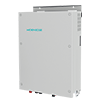
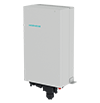
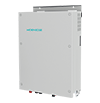
Once environmental suitability is established, the selection should return to the microgrid itself. For PV energy storage projects, our MGC 45/60kW platform is designed for PV-storage microgrid systems in complex and harsh conditions, including islands, dusty sites, and high-humidity environments. It uses dual DC interfaces so PV and battery sides can be connected simultaneously, while its wide battery-voltage range supports different system configurations.
For off-grid operation, the platform supports 100% single-phase unbalanced loads. It also uses grid-forming control with VSG and droop control and can switch between grid-following and grid-forming modes. Those capabilities can be more decisive than the enclosure label when the inverter must actively establish or support the microgrid's electrical operating conditions.
Suppose an installation is outdoors, exposed to normal rain and snow, but has limited dust exposure. NEMA 3R may align with the intended enclosure requirement, provided the specific equipment is appropriately evaluated and installed.
A different decision is needed for a site where airborne dust is a persistent operating condition. Since NEMA Type 3R does not carry the windblown-dust protection specified for Type 3, the project team should not assume that 3R is sufficient simply because the equipment is outdoors. The enclosure requirement should be written around the environmental hazard actually present.
Corrosive atmospheres create another distinction. NEMA Type 4X adds a degree of protection against corrosive atmospheric agents beyond Type 4, so a coastal or chemically aggressive site may require an enclosure classification and materials strategy beyond NEMA 3R.
Our preferred selection workflow is straightforward. First, document the environmental exposure. Next, identify the enclosure classification required by the project specification and applicable local requirements. Then verify the manufacturer's evidence for that classification rather than assuming equivalent ratings across standards.
After that, evaluate thermal management, electrical interfaces, battery compatibility, grid-connected behavior, and islanded operation. NEMA itself notes that it does not test or certify products; manufacturers may self-certify or seek independent third-party evaluation depending on market and project requirements. That makes documentation an important procurement checkpoint.
NEMA 3R means an enclosure is designed for defined outdoor conditions involving falling dirt and rain, sleet, or snow, with protection against external ice formation. It does not mean the inverter is automatically suited to dusty, corrosive, or otherwise severe environments.
For a 45kW solar storage inverter, we would therefore use NEMA 3R as an environmental-selection gate rather than the final purchasing criterion. The enclosure must match the site, while the converter itself must match the microgrid's PV, battery, load, and control requirements.
At WidenEdge, we approach that decision at the system level. A suitable inverter should survive its installation environment while also providing the control and integration functions the microgrid actually needs. That is the difference between selecting an outdoor enclosure and selecting an inverter that is fit for the project.
Return