Upgrading software across distributed energy installations demands absolute reliability to prevent operational downtime in critical off-grid environments. Remote firmware delivery systems must transport binary packages safely across high-latency cellular or satellite links without data corruption.
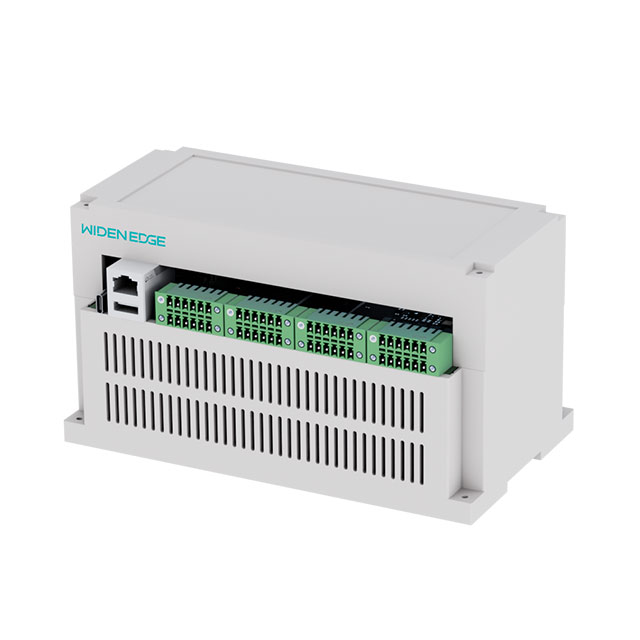
Managing fleet-wide code deployment requires sophisticated orchestration protocols tailored specifically for industrial power electronics. Technicians rely heavily on automated patch delivery channels to maintain optimal operational performance.
Modern decentralized power architecture relies on continuous software enhancements to optimize dispatch logic and secure system stability. Engineers at WidenEdge design advanced remote management layers that eliminate costly physical site visits during routine software maintenance cycles.
Deploying code packages remotely safeguards asset profitability while reducing operational overhead for commercial system operators. Network administrators oversee digital updates through centralized cloud dashboards providing real-time status metrics.
Establishing secure communication pathways starts by utilizing encrypted transport layer security protocols over cellular or Ethernet backhaul links. Continuous heartbeat signals verify link availability between the central management server and the remote hardware node deployed on site.
Network packets containing updated binary data undergo rigorous packet-level verification before entering local gateway buffers. Maintaining continuous connectivity protects data integrity even if environmental interference disrupts transmissions.
Engineers configure outbound-only connection policies to prevent unauthorized external intrusion attempts through open firewall ports on field equipment. Remote servers initiate communication handshakes only after validating digital certificates presented by the local hardware gateway.
Encrypted telemetry channels protect sensitive operational data streams from interception during active file transfer sessions. Protecting communication pipelines remains a foundational priority for modern energy systems.
Operators schedule software deployment windows during periods of low renewable generation or minimal load variance to minimize operational disruption risks. Staged rollout strategies allow technicians to test new binary packages on a single pilot node before releasing updates globally.
Monitoring real-time device telemetry during active patch transmission flags unexpected communication drops immediately. System automation handles retries gracefully without requiring manual intervention.
Managing flash memory efficiently requires a dual-bank partitioning strategy separating active runtime firmware from incoming update storage zones. Primary memory segments continue executing current system tasks uninterrupted while background routines download incoming binary files safely.
Bank switching eliminates system downtime by loading new code segments into dormant storage regions without halting power regulation. Hardware architectures built around a reliable microgrid controller utilize this dual-image structure to guarantee seamless execution transitions.
Allocating dedicated flash sectors prevents memory corruption risks from crashing the core operating kernel during data writing procedures. Secondary storage partitions verify sector integrity continuously while data packets accumulate from remote servers.
Power failure protection mechanisms ensure that abrupt grid disruptions never leave memory banks in an unbootable half-written state. Hardware reset routines rely on persistent bootloader sectors to manage clean version transitions.
Designers configure fallback boot routines preserving original operational parameters should an incoming file verification check fail unexpectedly. Preserving legacy system images allows field devices to revert instantly to known stable configurations without permanent hardware bricking risks.
Memory mapping protocols ensure peripheral driver addresses match correctly across both primary and secondary storage environments. Maintaining strict memory boundaries prevents segmentation faults during real-time computational tasks.
Validating cryptographic signatures forms an impenetrable defense barrier against malicious firmware injection or corrupted file transmission errors. Microprocessors compute cryptographic hash values upon complete file receipt to match manufacturer-issued digital signatures precisely.
Rejecting tampered binaries instantly protects industrial networks from unauthorized cyber intrusions or rogue code execution attempts. Security verification protocols operate autonomously before allowing hardware components to apply downloaded patches.
Checking cyclical redundancy codes alongside cryptographic hashes confirms every single byte arrived intact across noisy communication links. Hardware security modules store root keys securely within tamper-resistant silicon enclosures to prevent physical key extraction attacks.
Integrating a robust bess controller into industrial microgrids guarantees proprietary decryption keys remain strictly protected against espionage. Certified cryptographic routines satisfy stringent cybersecurity compliance frameworks mandated by international regulators.
Software developers sign every released binary package using private keys held exclusively within secure offline generation environments. Public verification keys embedded permanently in device bootloaders authenticate the digital signature before authorizing system installation routines.
Establishing end-to-end cryptographic trust prevents middleman attacks during long-distance data transmission over public cellular networks. Security compliance audits verify signature verification logic operates without vulnerabilities.
Executing automated rollbacks safeguards operational continuity if post-update diagnostic routines detect unexpected anomalies or communication faults. Watchdog timers monitor hardware responsiveness continuously during the initial boot sequence following a fresh software installation.
Detecting a subsystem communication timeout or critical fault code triggers an automatic reversion to the previous firmware image. Automated recovery logic ensures failed software deployments never strand remote renewable sites offline.
Diagnostic logging captures detailed error codes during any failed update attempt to assist engineering teams with root cause analysis. Cloud management dashboards display comprehensive failure reports, enabling technicians to adjust configuration parameters before re-attempting deployment.
Maintaining high visibility into remote update outcomes streamlines fleet management practices across geographically dispersed renewable portfolios. Operational resilience depends heavily on intelligent self-healing software architectures.
At WidenEdge, our engineering philosophy centers on combining cutting-edge cybersecurity protocols with resilient hardware design to maximize field reliability. Delivering seamless remote update capabilities ensures every deployed microgrid controller and advanced bess controller evolves continuously to meet emerging grid standards.
Partnering with WidenEdge empowers project developers to maintain absolute control over distributed energy assets throughout their operational lifecycle. Future-proofing industrial microgrids requires uncompromising dedication to secure, automated, and intelligent software management frameworks.
Return